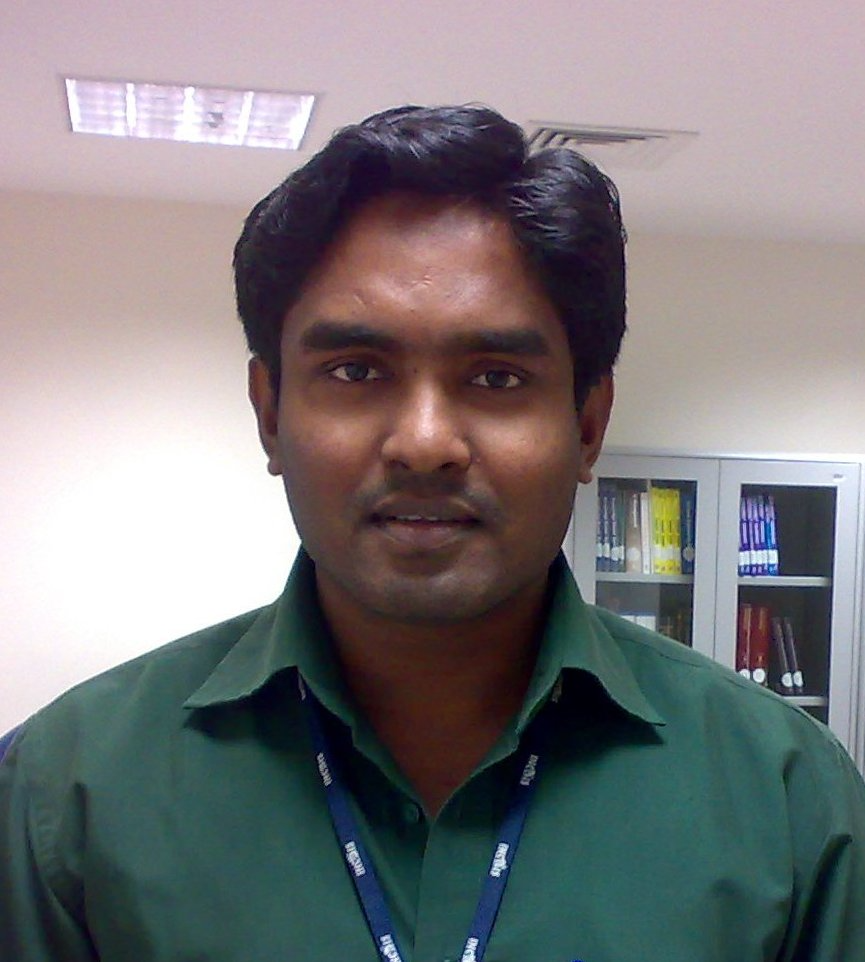
Rohit Munda
Businessman|Owner
Contact-Us:
Have a question?
ARAMBH SOFTECH SERVICES -
THE BEST SOFTWARE COMPANY IN EAST
MSME Certified
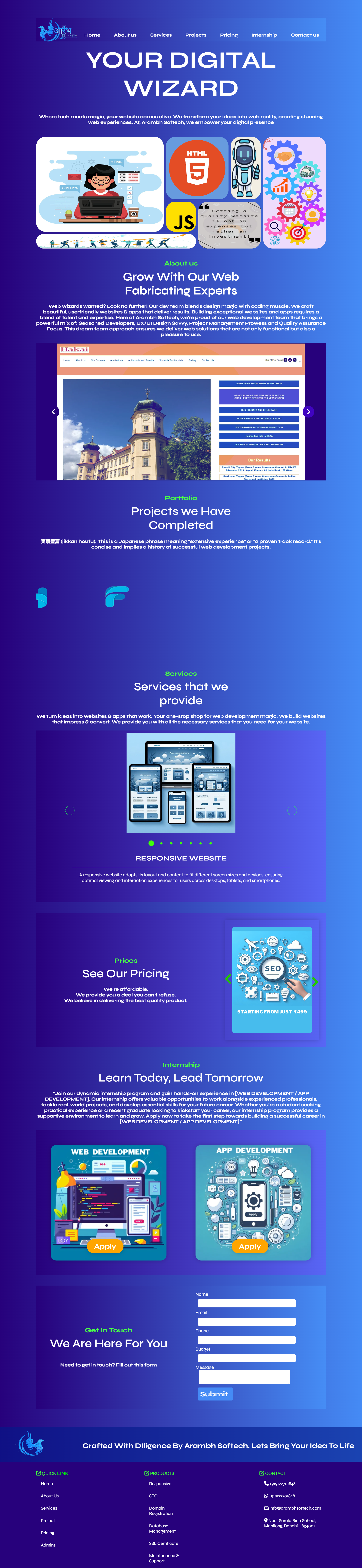
Introducing Arambh Softech – the beacon of innovation in Ranchi's dynamic IT landscape. As an MSME-certified powerhouse, we sculpt bespoke software, captivating e-commerce realms, and seamless mobile marvels. With a decade of mastery, we redefine the boundaries of possibility, blending cutting-edge tech with boundless creativity. Join us on a journey where brilliance knows no bounds. Welcome to Arambh Softech – let's bring your idea to life.
SERVICES THAT WE PROVIDE




REASONS TO CHOOSE ARAMBH SOFTECH

Fast and Innovative
We provide innovative solutions and take a quality-centric approach to deliver result-oriented business solutions promptly. Our services not only enhance workflow processes but also guarantee success for your businesses.

Enthusiastic Team
Our rich portfolio speaks volumes about our enthusiasm and dedication to every project we undertake. Having completed numerous projects for large employee-based organizations, we've garnered remarkable recognition for our commitment to quality standard services.

Client Satisfaction
With our innovative software solutions, we've driven significant transformations in our customers' businesses, earning widespread recognition for delivering satisfactory results.

No Hidden Charges
Transparency is at the core of our business values. We pride ourselves on offering services with no hidden charges, ensuring that you receive clear, upfront pricing from the very beginning. Our commitment to honesty and integrity means that there are no surprises, allowing you to trust in our services and focus on achieving your business goals.

Timely Delivery
Meeting deadlines is our priority. Our efficient processes and dedicated team ensure that every project is completed on time, without compromising on quality. With our proven track record of timely delivery, you can rely on us to keep your business operations running smoothly and efficiently.
Technical Support
Our dedicated technical support team is here to assist you around the clock. Whether you encounter a minor glitch or a major issue, our experts are ready to provide swift and effective solutions. We ensure that your systems operate seamlessly, minimizing downtime and maximizing productivity. Trust us to be your reliable partner in maintaining your technical infrastructure.
WE ARE HERE FOR YOU
Whether you have a question, want to start a project or simply want to connect.
Feel free to send me a message in the contact form
PROJECT WE HAVE COMPLETED
Click here to see website
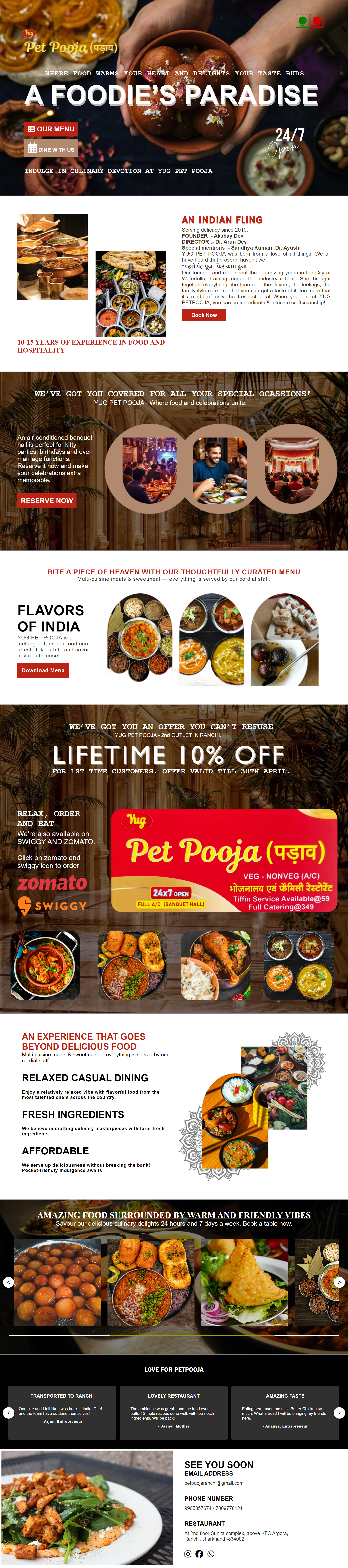
Click here to see website

Click here to see website
Customers Talk about their Experience
Arambh Softech is renowned for its exceptional web development services. The positive feedback reflects the company's commitment to creativity in designing user-friendly, visually appealing and customer satisfaction.
Arambh Softech has been a game-changer for our online presence. Their expertise, professionalism, and commitment to excellence make them a standout choice for anyone looking to develop a top-notch website..
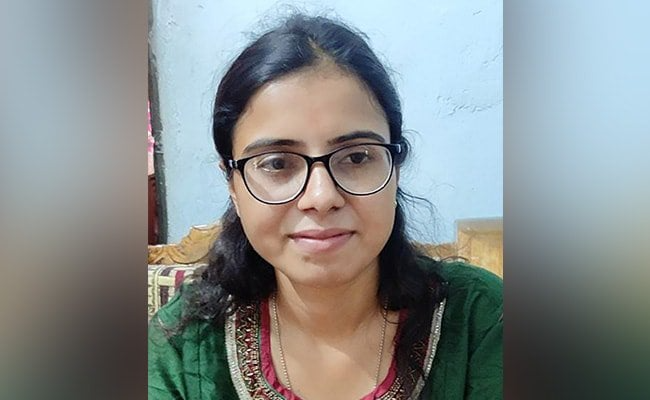
The developers were equally impressive, ensuring the site was not only visually appealing but also highly functional.they showed a deep understanding of our needs and a genuine passion for creating a website .